PAN AFRICAN FAITH LEADERS INITIATIVE for Peace, Justice and Human Dignity

The motto of the PAFLI is a conviction that the pursuit of justice and peace through peaceful means is a sacred mission.

The Pan-African Faith Leaders Initiative for Peace, Justice and Human Dignity (PAFLI)

The Pan-African Faith Leaders Initiative for Peace, Justice and Human Dignity (PAFLI) was founded in response to the issues of conflict and violence that have ravaged the African continent.

Why PAFLI is embarking in religious peacebuilding

Africa is the world’s most religious continent. Most of its population practises a variety of religious beliefs, primarily Christianity and Islam. Religious practice is an essential part of African society, and Christianity and Islam represent two of the continent’s most significant cross-cultural influences. They contribute to an African identity that has also been shaped by longstanding indigenous religious traditions.

Through their clergy and religious institutions, faith leaders influence politics and communities across the continent. They are highly respected and influential figures who engage with people from all backgrounds through public advocacy, moral leadership, and community engagement.

Faith leaders became particularly prominent during the democratic transitions that took place across Africa in the 1990s. Their influence is reinforced by their oversight of some of the largest religious congregations in the world, as well as their role in providing essential social and public services.

Many actors involved in conflict situations claim to be acting according to religious principles. Both victims and perpetrators of violence in Africa are often deeply religious and actively practise their faith. However, in most cases, the root causes of conflict are not religious. Rather, conflicts are typically driven by political, economic, social, ethnic, or governance-related factors, even when religious language or symbolism is used to justify violence.

Concepts such as dialogue, reconciliation, forgiveness, justice, and human dignity have relevance in both religious and secular contexts. For PAFLI, these principles form an essential foundation for promoting peace, security, and social cohesion across Africa.

Lesson from Rwanda

Africa faces a paradox: a rapidly growing Church coexists with high levels of poverty, conflict, and persistent societal challenges. At the same time, the historical link between faith and collective social progress appears to be weakening.

The experience of Rwanda during the 1994 Genocide against the Tutsi demonstrated how segments of the Christian message and institutions had, in some cases, shifted away from prioritising collective transformation and the common good. Instead, they became associated with allegiance to political power, individual prosperity, personal gain, and self-interest.

PAFLI emerges from such a background to change the history and the role of faith in promoting justice, reconciliation, and social transformation. While religion remains a powerful force in African societies, its influence must be directed towards the common good, ethical leadership, and the protection of human dignity if it is to contribute meaningfully to lasting peace and development.

PAFLI peacebuilding framework

The motto of the PAFLI is a conviction that the pursuit of justice and peace through peaceful means is a sacred mission.

PAFLI draws upon the religious traditions and practices of all faiths to contribute to the promotion of justice, peace, and human dignity across Africa. The initiative seeks to mobilise African faith leaders as agents of positive change and to strengthen their capacity to prevent conflict, promote reconciliation, and advocate for the protection of human dignity.

PAFLI is building a network of religious ambassadors across the world for peace and enabling faith leaders to work together and act independently of ethnic, political, and power-based allegiances. Through collaboration, dialogue, and mutual respect, these leaders are encouraged to advance reconciliation, social cohesion, and peaceful coexistence within their communities and across the continent.

By fostering cooperation among faith communities, PAFLI aims to contribute to a more peaceful, just, and inclusive Africa, where diversity is respected and human dignity is upheld for all.

Who we are!

PAFLI

The Pan African Faith Leaders Initiative for Peace, Justice and Human Dignity (PAFLI) is a continental faith-based organization Founded in Rwanda and operating with a Pan-African vision, that brings together faith leaders, religious institutions, communities, and partners across Africa to promote peace, justice, human rights, reconciliation, and human dignity, Social Cohesion and well-being and harmonious community relations

We believe that faith leaders have a unique responsibility and opportunity to influence positive change, strengthen social cohesion, and contribute to sustainable development throughout Africa and beyond.

At PAFLI, we believe that silence in the face of injustice is not an option. Guided by our faith, values, and commitment to human dignity, we courageously advocate for peace, justice, and the protection of fundamental human rights. We stand with the vulnerable, speak for the voiceless, and raise awareness about issues that threaten human dignity and social harmony. Through constructive engagement, advocacy, and partnership, we challenge injustice wherever it occurs while promoting accountability, reconciliation, and lasting peace. Our commitment remains steadfast: to be a fearless voice for justice and a force for positive transformation across Africa.

Our Vision

A unified and amplified voice of African faith leaders promoting peace, justice, human rights, social well-being, and harmonious community relations.

Our Mission

To unite, support, and strengthen the capacity of faith leaders across Africa to promote peace, unity, social cohesion, justice, human rights, and community well-being through advocacy, awareness, research, and partnerships.

Main Objectives

Promote Peace and Reconciliation

We facilitate dialogue, mediation, and community engagement initiatives that promote peaceful coexistence and social cohesion while combating division, discrimination, and hatred.

Strengthen Faith Leaders

We build the capacity of faith leaders to address conflicts, injustice, and human suffering while promoting peace, justice, and human dignity.

Advance Justice and Human Rights

We advocate for human rights, equality, religious freedom, and access to justice through partnerships and policy engagement.

Empower Communities

We support faith leaders and communities through knowledge sharing, leadership development, and international cooperation for sustainable peace and development.


Join Us

We welcome partnerships with:

PAN AFRICAN FAITH LEADERS INITIATIVE

Peace, Justice & Human Dignity

Bishop Bobó Gomes Có & Bishop Alfred Gatabazi (Rwanda)

Bishop Bobó Gomes Có is the President of the Evangelical Alliance of Guinea-Bissau, President for the North and West Africa Region of the African Evangelical Alliance, and a member of its Governing Council, representing more than 400 million evangelical Christians across Africa.

He is also a Co-Founder of the Pan African Faith Leaders Initiative for Peace, Justice and Human Dignity.

July 15–18, 2026 | Bissau, Guinea-Bissau

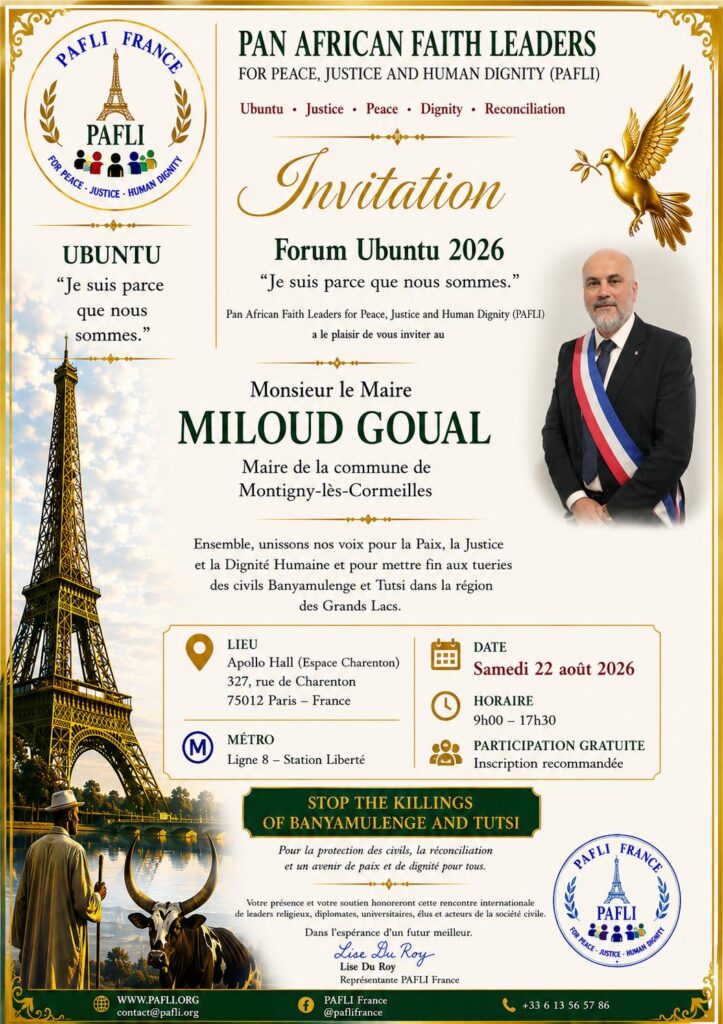
Faith leaders from across Africa and from different religious traditions will gather to advocate for Peace, Justice, and Human Dignity, and to call for an end to the genocide against the Tutsi community in the Democratic Republic of Congo.

Theme

Peace, Justice, and Human Dignity for the Tutsi People and for Guinea-Bissau

Religious leaders, civil society organizations, and all people of goodwill are invited to participate in this important Pan-African gathering.

PAN AFRICAN FAITH LEADERS INITIATIVE

Peace, Justice & Human Dignity

Bishop Bobó Gomes Có & Bishop Alfred Gatabazi (Rwanda)

Bishop Bobó Gomes Có is the President of the Evangelical Alliance of Guinea-Bissau, President for the North and West Africa Region of the African Evangelical Alliance, and a member of its Governing Council, representing more than 400 million evangelical Christians across Africa.

He is also a Co-Founder of the Pan African Faith Leaders Initiative for Peace, Justice and Human Dignity.

July 15–18, 2026 | Bissau, Guinea-Bissau

Faith leaders from across Africa and from different religious traditions will gather to advocate for Peace, Justice, and Human Dignity, and to call for an end to the genocide against the Tutsi community in the Democratic Republic of Congo.

Theme

Peace, Justice, and Human Dignity for the Tutsi People and for Guinea-Bissau

Religious leaders, civil society organizations, and all people of goodwill are invited to participate in this important Pan-African gathering.

UPCOMING EVENTS

Blog

Latest News & Updates

No Posts Found!

Recent Advocacy at PAFLI

These are the recent advocacy and events at Panafrican Faith Leaders Initiative

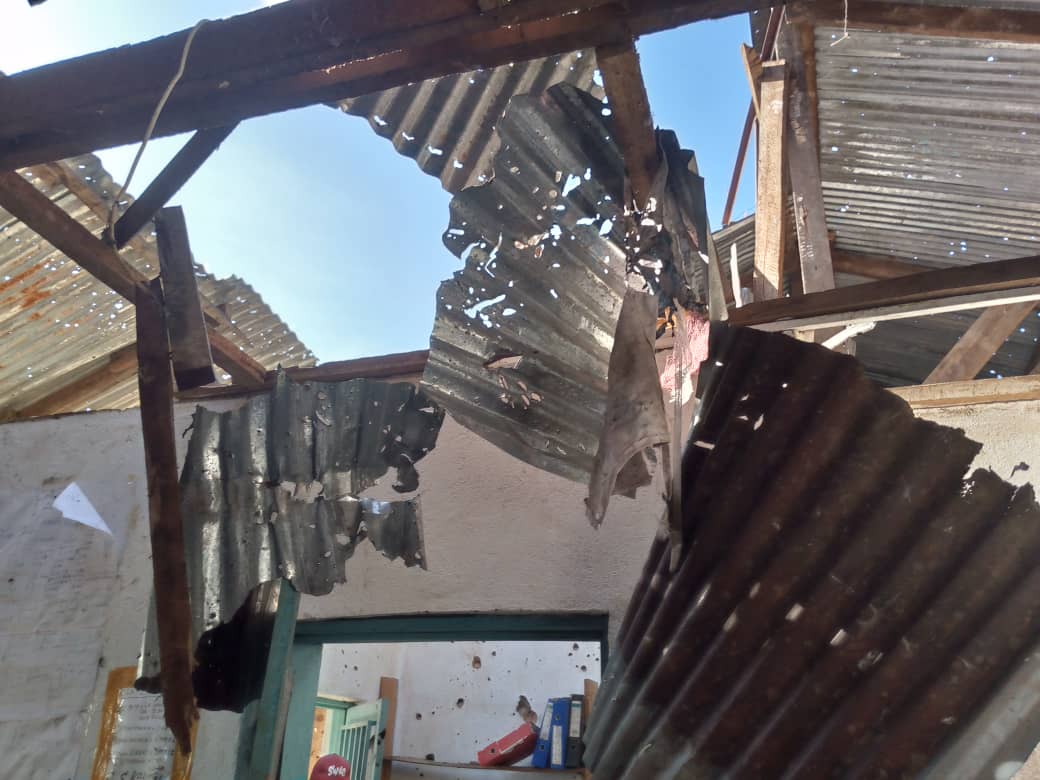
Drone attacks to Banyamulenge in Minembwe

Banyamulenge from the South Kivu province, in the eastern Democratic Republic of Congo, continues to endure a painful and prolonged humanitarian tragedy that too often unfolds in silence.
Region in Fear

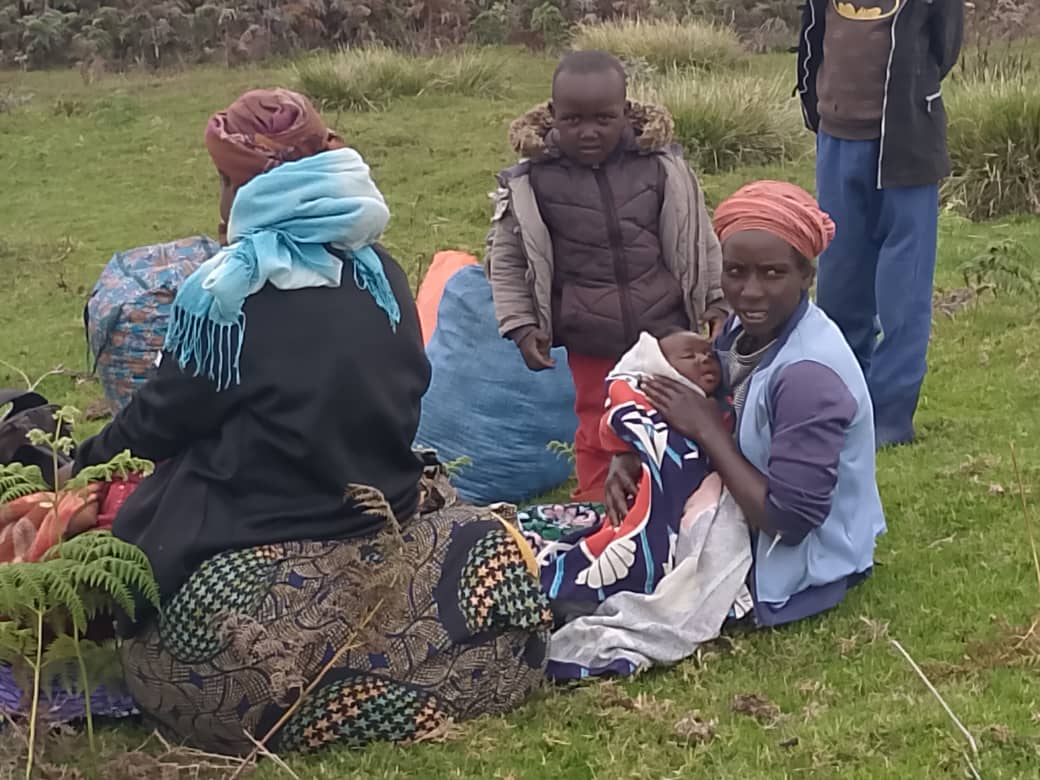
The humanitarian situation in eastern Democratic Republic of Congo has reached alarming levels of complexity and suffering. South Kivu and North Kivu Provinces, in particular, remain regions where overlapping armed tensions, political fragility, and historical grievances have created a fragile and often unpredictable environment for Banyamulenge and Tutsi community in general.
Justice Delayed, Peace Denied

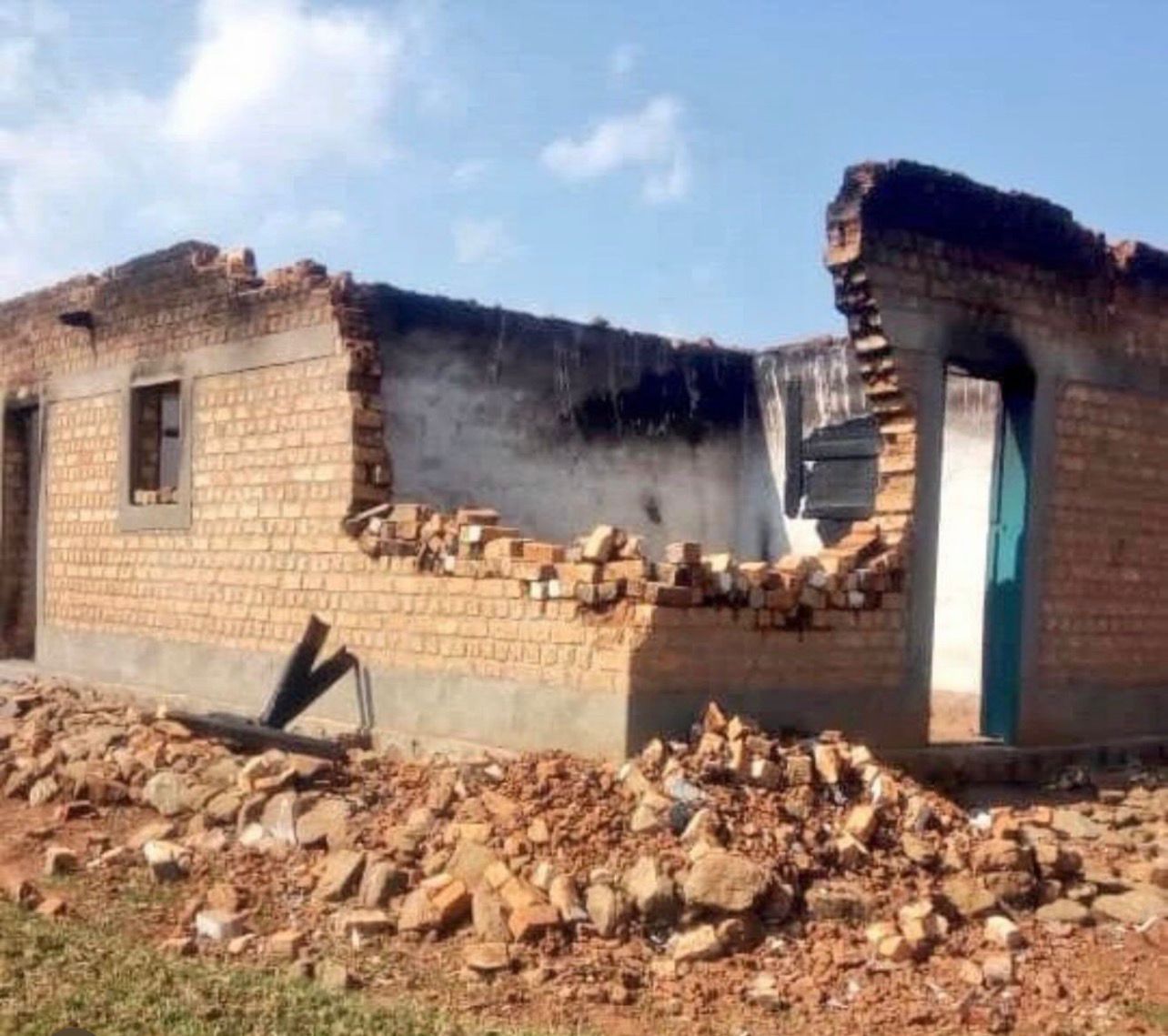
Across South Kivu, civilians continue to carry the heavy burden of insecurity and unresolved conflict. While political and security discussions continue at national and regional levels, ordinary men, women, and children remain exposed to violence, displacement, and profound psychological trauma.

No Posts Found!

The Silent Siege of Minembwe: A Cry for Humanity

For years, the people of Minembwe and other parts of South Kivu Province, DRC where Banyamulenge lived simple lives. They cultivated their fields, raised their cows, raised their children, traded in nearby markets, and dreamed of a future where peace would allow them to prosper. Today, those dreams have been replaced by fear, hunger, and uncertainty.

The Banyamulenge people are facing what many observers describe as a systematic campaign of persecution and destruction. Reports from survivors paint a horrifying picture of targeted killings, sexual violence, economic strangulation, and the deliberate isolation of an entire population.

Join Us

Be the First to receive our updates

You have been successfully Subscribed! Ops! Something went wrong, please try again.

Contact Us

© 2026 Pan African faith leaders initiative