
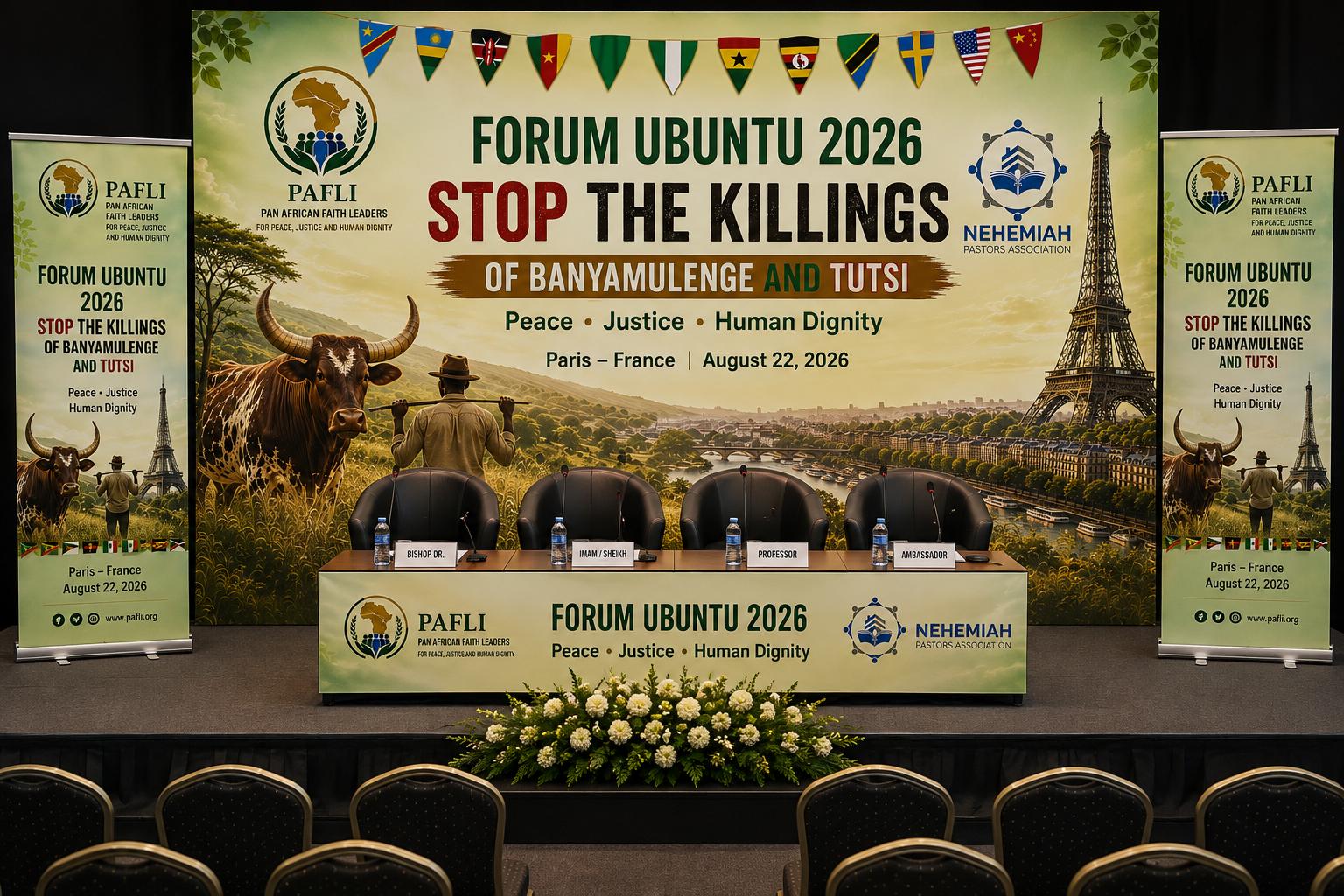
The Ubuntu Forum conference is taking Place in Paris, where Different faith leaders and communities are gathering to be the voice for Banyamulenge and Tutsi who are being Killed in Eastern DRC. Here is the Link to watch it Live https://www.youtube.com/live/ThgT0DnphgY
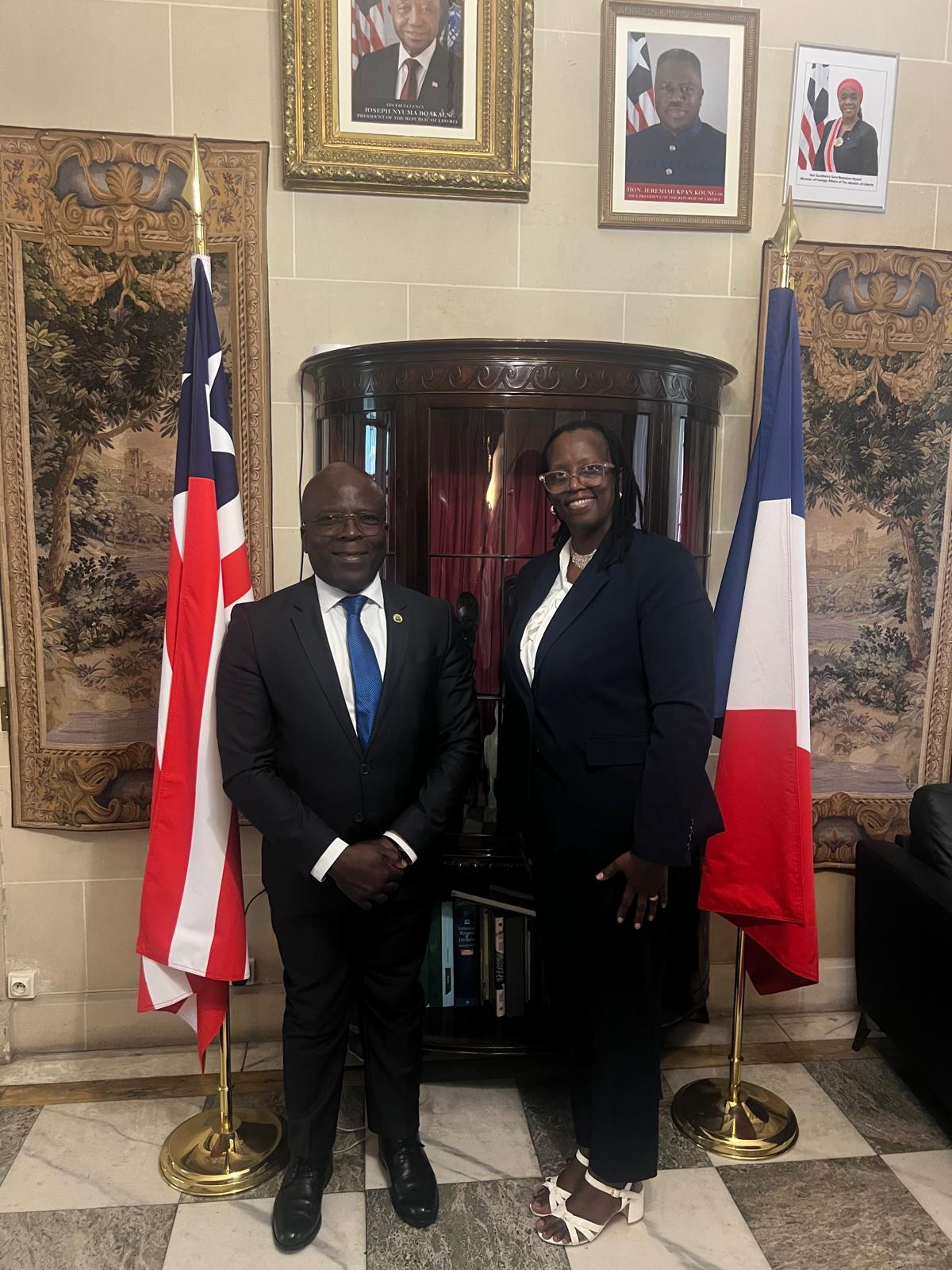
PAFLI France Strengthens International Partnerships Through High-Level Diplomatic Engagement
Paris, France – July 9, 2026 – The Pan-African Faith Leaders Initiative for Peace, Justice and Human Dignity (PAFLI) France has taken an important step toward expanding its international partnerships following a productive meeting between PAFLI France Representative, Rubagire Lyse DUROY, and His Excellency Emmanuel Saye Larmeh. The meeting centered on presenting PAFLI’s vision and mission while exploring opportunities for strategic collaboration that will advance peacebuilding, justice, and human dignity. Discussions also focused on establishing a formal framework for cooperation and identifying avenues through which PAFLI can strengthen its engagement with diplomatic missions and international organizations. The discussions concluded with several encouraging outcomes. Ambassador Larmeh expressed strong interest in collaborating with PAFLI and committed to initiating a partnership agreement that will provide a foundation for future cooperation. In addition, he pledged to facilitate introductions between PAFLI and the Ecumenical Forum of Churches in Liberia, opening new opportunities for faith-based collaboration and regional engagement. These commitments represent a significant milestone for PAFLI France as it continues to expand its network of strategic partners and reinforce its role in promoting dialogue, peace, justice, and sustainable development across Africa. Commenting on the meeting, PAFLI France Representative Rubagire Lyse DUROY described the engagement as a promising beginning for building meaningful partnerships in Liberia. The meeting reflects PAFLI’s continued commitment to working alongside governments, diplomatic institutions, faith communities, and civil society organizations to foster unity, reconciliation, and human dignity. As PAFLI continues to broaden its international reach, partnerships such as this reinforce the organization’s vision of creating a peaceful, just, and prosperous Africa through collaborative leadership and shared responsibility.
The Silent Siege of Minembwe: A Cry for Humanity
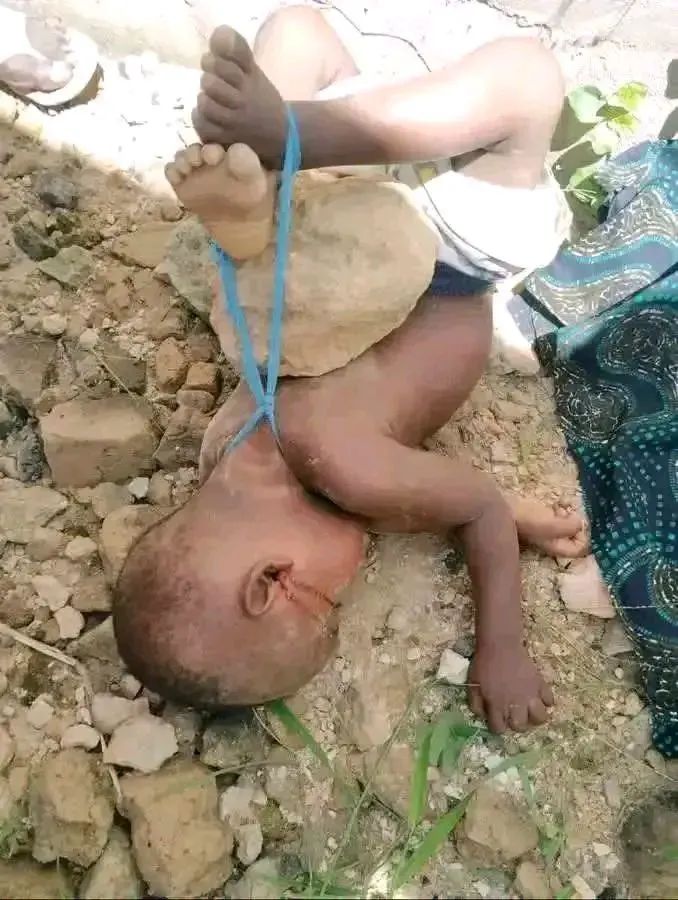
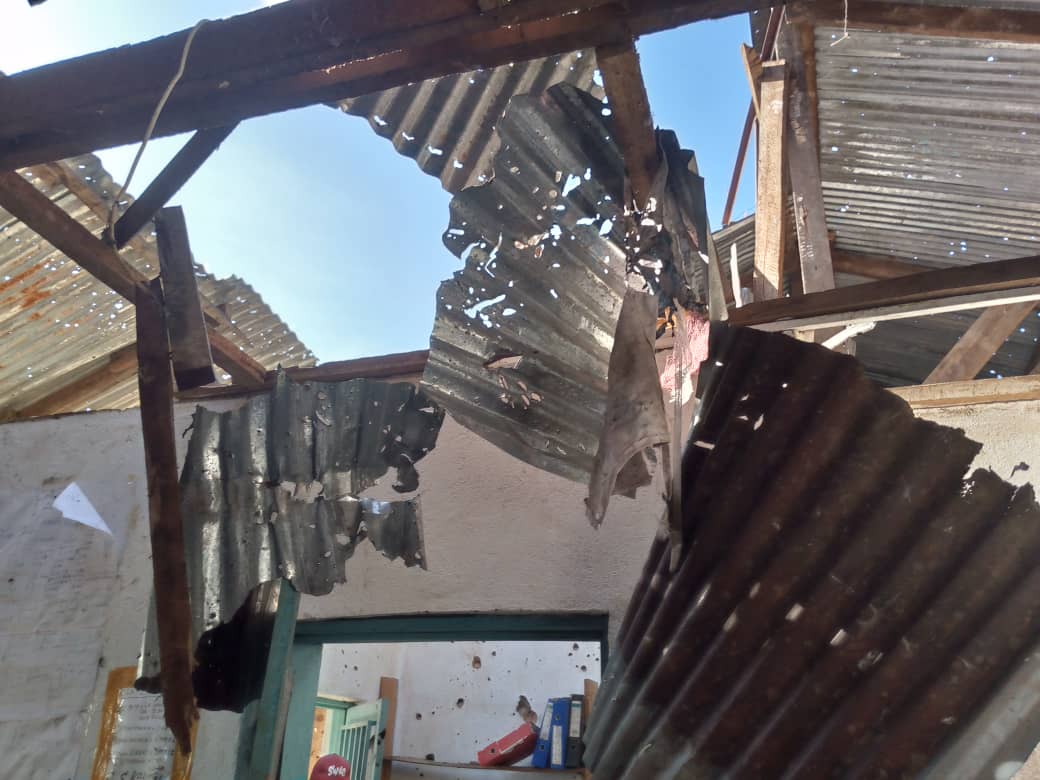
For years, the people of Minembwe and other parts of South Kivu Province, DRC where Banyamulenge lived simple lives. They cultivated their fields, raised their cows, raised their children, traded in nearby markets, and dreamed of a future where peace would allow them to prosper. Today, those dreams have been replaced by fear, hunger, and uncertainty. The Banyamulenge people are facing what many observers describe as a systematic campaign of persecution and destruction. Reports from survivors paint a horrifying picture of targeted killings, sexual violence, economic strangulation, and the deliberate isolation of an entire population. The world must not ignore what is happening. Every day, families in Minembwe wake up not knowing whether they will survive until nightfall. Drones constantly circle above and bomb to villages, creating an atmosphere of terror and loss of many innocent lives. Parents fear sending their children outside. Farmers are afraid to work in their fields. The sound of aircraft overhead has become a symbol of danger rather than technology. According to testimonies collected from displaced residents, the attacks are not random. Villages inhabited by Banyamulenge people and Congolese Tutsi have reportedly been singled out repeatedly. Entire communities have been emptied as residents were Killed and others flee for safety. Those unable to escape—particularly the elderly, the sick, and young children—are often left trapped in areas where access to food and medicine has nearly disappeared. Women and girls have suffered tremendously. Survivors speak of widespread sexual violence used as a weapon of intimidation and humiliation. Families have been torn apart, not only by death but also by trauma that may take generations to heal. Mothers who once cared for thriving households now struggle to protect their children from hunger and violence. Yet the attacks themselves are only one part of the crisis. Perhaps the most devastating aspect of the situation is the siege imposed on Minembwe. Every major road leading into the region has been blocked. Commercial transport has stopped. Humanitarian supplies cannot enter freely. Traders who once brought essential goods no longer travel the routes because of insecurity and restrictions. As a result, ordinary items have become luxuries beyond imagination: These prices are not merely statistics. They represent suffering. Hospitals and health centers run out of supplies. Patients with treatable illnesses face life-threatening consequences because medicines are unavailable or unaffordable. Pregnant women travel long distances seeking help, often finding that clinics have no drugs, no equipment, and no capacity to assist them.Children suffer the most. Teachers report attending classrooms is not possible as Drones shoot on every gathering. Some children have fled with their families and died along the way due to lack of food. Many have witnessed violence no child should ever see. Their childhood is disappearing before their eyes. The economic impact has been catastrophic. Farmers cannot reach markets. Merchants cannot restock goods. Families have exhausted their savings. Livestock has been Killed. What once was a functioning local economy has become a struggle for daily survival. Community leaders describe a growing sense of abandonment and see it clearly as a Banyamulenge genocide that is being Implimented “We feel forgotten,” one elder reportedly said. “The world knows how to speak about human rights, but who will speak for us?” This question echoes throughout Minembwe and all Congolese Tutsis. The crisis in Minembwe is not only a humanitarian emergency. It is a moral challenge for the international community. When a people are targeted because of who they are, when their communities are isolated, when access to food, medicine, and basic necessities is deliberately restricted, silence becomes dangerous. History has repeatedly shown that atrocities do not begin with mass graves alone. They begin with dehumanization. They begin with discrimination. They begin when a population is isolated and the suffering of ordinary people is ignored. Today, the Tutsi people of DRC especially those in South and North Kivu stand at a crossroads between survival and destruction. Their plea is simple: Banyamulenge and Tutsi people in North and South Kivu do not seek sympathy alone. They seek action. They seek recognition of their humanity. They seek the opportunity to live in peace, raise their children, and rebuild the communities that violence has shattered.Whether their voices are heard may depend on whether the rest of the world chooses to listen before it is too late.
Justice Delayed, Peace Denied — A Call for Accountability and Human Dignity in South Kivu
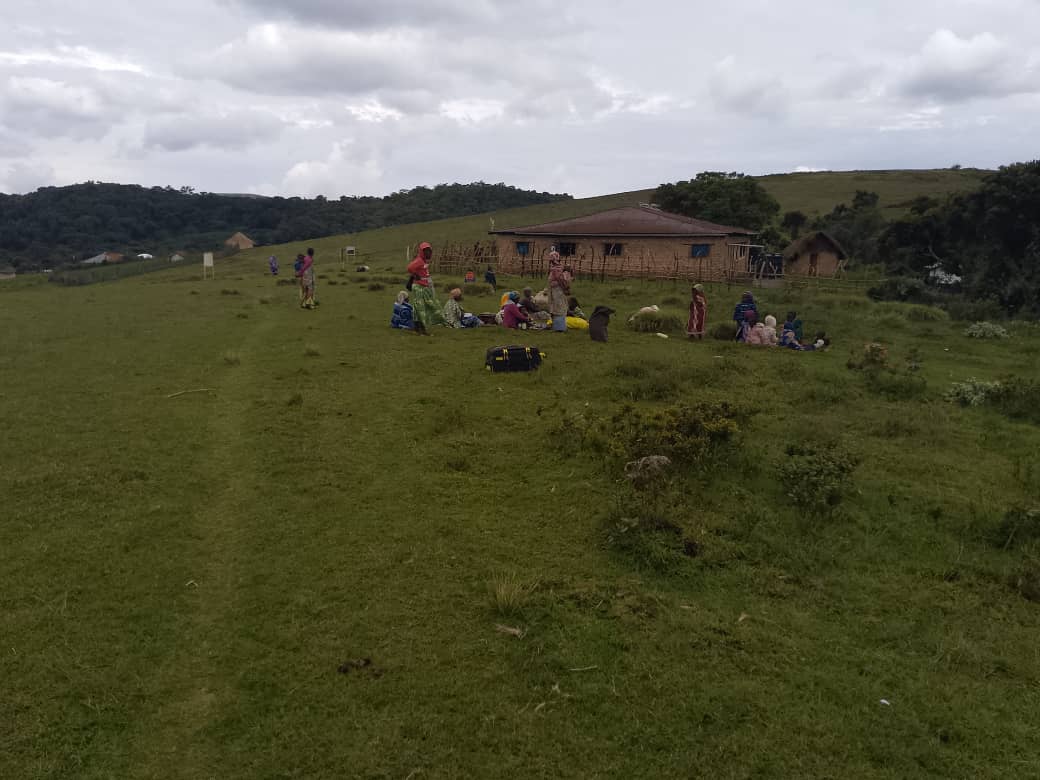
Across South Kivu, civilians continue to carry the heavy burden of insecurity and unresolved conflict. While political and security discussions continue at national and regional levels, ordinary men, women, and children remain exposed to violence, displacement, and profound psychological trauma. Reports from different parts of the province consistently highlight patterns of insecurity affecting multiple communities. These include loss of life, forced displacement, destruction of property, and violations of basic human rights. Each report represents not just a statistic, but a human story of pain, loss, and interrupted futures. In this environment, the absence of accountability deepens suffering. When violations are not properly investigated, when victims are not heard, and when justice is delayed, communities lose trust in institutions and peace becomes harder to achieve. This is why accountability is not optional—it is essential for peace. The protection of human dignity must be placed at the center of all responses to the crisis in eastern Congo. Every affected community deserves recognition, protection, and justice. Every victim deserves truth and acknowledgment. And every child deserves a future free from fear. The Pan African Faith Leaders Initiative for Peace, Justice and Human Dignity calls upon all stakeholders—including national authorities, regional institutions, and international partners—to urgently: Peace is not only the absence of war. It is the presence of justice, dignity, and trust. Without accountability, peace will remain fragile. With justice, healing becomes possible. The people of South Kivu deserve nothing less than a future where their lives are protected, their voices are heard, and their dignity is fully restored.
A Region in Fear — The Deepening Humanitarian and Social Crisis in Eastern Congo
The humanitarian situation in eastern Democratic Republic of Congo has reached alarming levels of complexity and suffering. South Kivu and North Kivu Provinces, in particular, remain regions where overlapping armed tensions, political fragility, and historical grievances have created a fragile and often unpredictable environment for Banyamulenge and Tutsi community in general. Communities continue to report cycles of violence that lead to displacement, loss of life, and destruction of livelihoods. Families who have lived for generations in the region now find themselves scattered across hills, camps, and neighboring territories, struggling to survive without adequate protection or support.Fear has become a daily reality. It is reflected in abandoned villages, silent roads, closed schools, and the absence of economic activity in once-thriving communities. The social fabric is weakening under the weight of prolonged insecurity.In such a context, mistrust of governement forces grows deeper, often fueled by lack of their proffessionalism and the Fact that they are the ones who are killing them. This makes things more difficult and increases the risk of recurring cycles of violence due to lack of government responsibilities.There is an urgent moral and political responsibility to break this cycle.Sustainable peace in South Kivu and North Kivu requires more than military responses. It requires a comprehensive approach that includes: Genuine and inclusive dialogue between communities, Strong protection mechanisms for civilians, Justice processes that address human rights violations, Investment in reconciliation and trauma healing, Active engagement of faith leaders and civil society actors. Faith leaders in particular remain a critical bridge for peace. Their influence in communities can help restore trust, reduce tensions, and guide populations away from revenge and hatred toward reconciliation and coexistence.The people of eastern Congo do not need more silence. They need a coordinated commitment to peace, dignity, and long-term stability.
South Kivu Bleeds Silently — A Cry for the Protection of Civilians in Eastern DRC
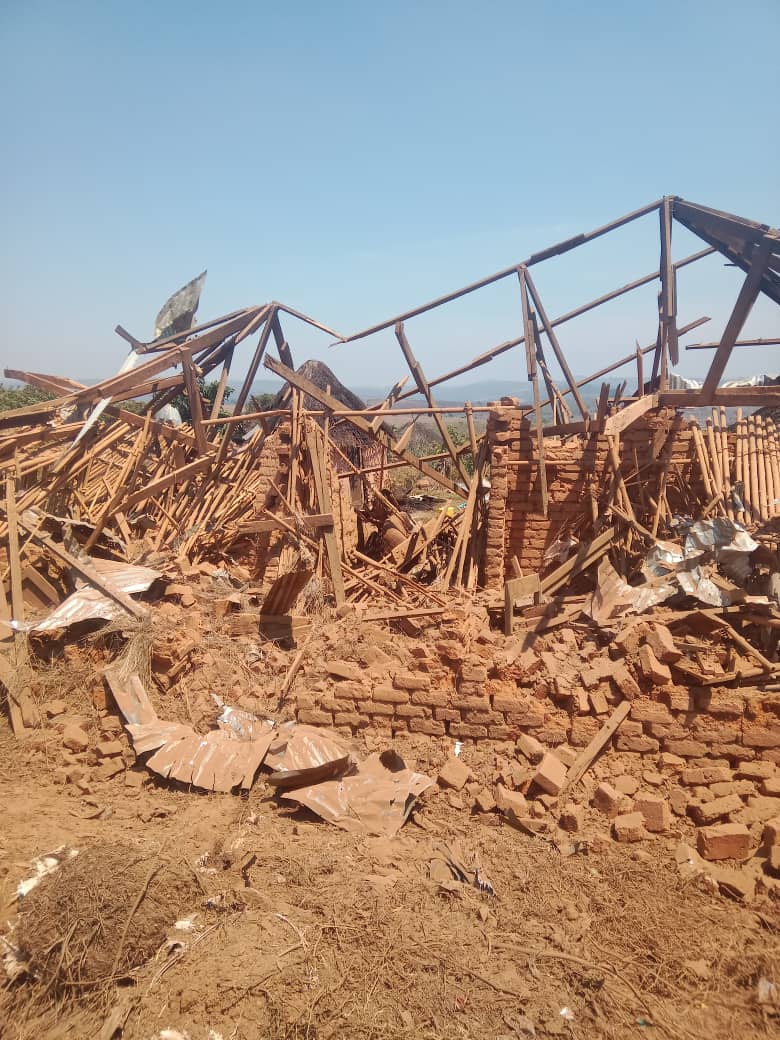
Banyamurenge from the South Kivu province, in the eastern Democratic Republic of Congo, continues to endure a painful and prolonged humanitarian tragedy that too often unfolds in silence. Behind the headlines and political discussions are real human lives—families torn apart, children displaced, and communities living under constant fear.In several territories across the province especially Minembwe, civilians have repeatedly reported incidents of insecurity, armed confrontation, and targeted attacks using drones and heavy weapons affecting vulnerable populations. Entire villages have been forced to flee overnight, leaving behind homes, farmland, schools, and churches that once represented hope and stability.Among those most affected are kids and women. Their daily reality is shaped by uncertainty—never knowing when safety will be replaced by violence, or when normal life will be interrupted by displacement. This is not only a security crisis. It is a human dignity crisis.Every life lost in South Kivu is a reminder that the protection of civilians remains incomplete. Every displaced family represents a failure of collective responsibility to safeguard the innocent.The international community, regional actors, and national authorities must urgently prioritize civilian protection above all political and military considerations. There is a growing need for strengthened monitoring mechanisms, impartial investigations into reported abuses, and renewed commitment to peacebuilding that centers human life.Peace in eastern Congo will not be achieved through silence or delay. It will be achieved when every civilian—regardless of identity or geography—can live without fear.