
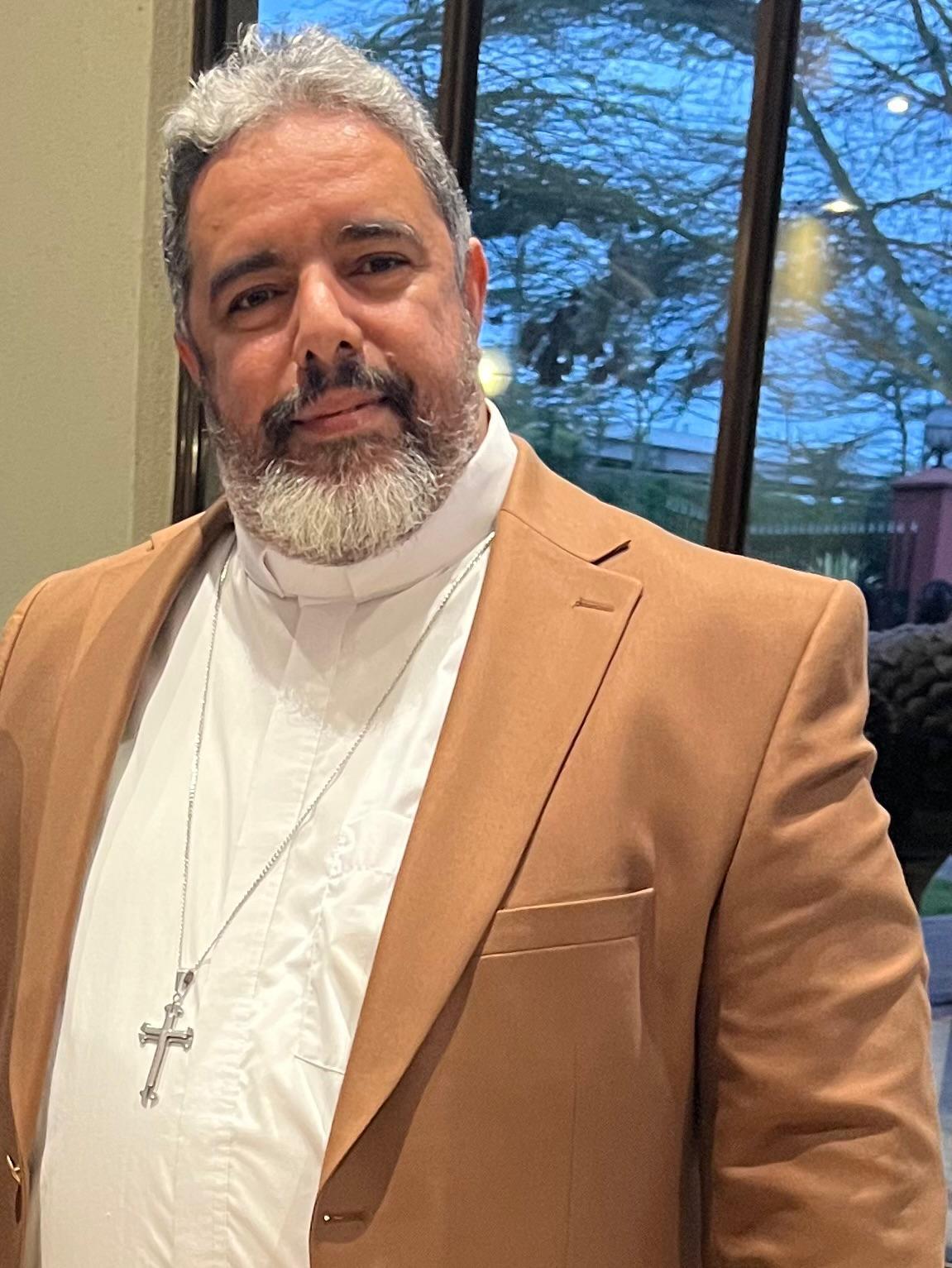
Christian Profession
A pivotal transformation occurred in 2010, when Dr. Cohen experienced a profound spiritual reorientation and embraced Christianity. This transition marked not a rupture with his intellectual past but rather an expansion of his theological inquiry. Subsequently, he undertook extensive studies in Biblical literature, Talmudic traditions, and Christian theology. His continued academic development includes training and degrees from institutions such as Korntal University, the European Training Center for Christian Leadership, and Africa International University, complemented by additional online theological coursework.
Current Professional Engagements
In his later career, Dr. Cohen has been actively engaged in teaching, pastoral ministry, and the formation of spiritual leadership across diverse international contexts. His work emphasizes themes of reconciliation, compassion, and peacebuilding, aligning with broader theological discourses on mission and intercultural engagement. As an Evangelical leader affiliated with the African EPC umbrella, he has continued to expand his influence within ecclesiasical structures.
Dr. Cohen currently serves in a senior ecclesiastical capacity as an Archbishop, associated with African Evangelical frameworks such as the AEA (Association of Evangelicals in Africa). In this role, he provides leadership across denominational boundaries and maintains connections with political and governmental figures throughout the African continent. His profile reflects a synthesis of scholarly authority, religious leadership, and transnational influence.
Overall, Dr. Cohen’s biography illustrates a complex and evolving intellectual journey shaped by early adversity, rigorous scholarship, interfaith engagement, and transformative religious experience. His life serves as a case study in the capacity of religious scholarship to transcend doctrinal boundaries while fostering dialogue, institutional leadership, and global engagement.
Dr. Cohen is married to a German national, with whom he shares both personal and ministerial commitments. Their partnership extends beyond family life into collaborative engagement in theological education, pastoral formation, and liturgical practice, particularly in praise and worship. Such joint vocational models reflect a broader pattern in biographical and religious studies, in which spousal collaboration significantly contributes to ministerial effectiveness and institutional influence.
Together, Dr. Cohen and his wife are actively involved in theological training initiatives, contributing to the development of emerging leaders within ecclesiastical contexts. Their work integrates academic instruction with practical ministry, emphasizing holistic formation that bridges doctrinal knowledge and lived religious experience.
At present, Dr. Cohen serves in both theological education and applied ministry across several universities in Africa. His role encompasses teaching, curriculum development, and mentorship, positioning him within a transnational network of theological scholarship and leadership formation. This combination of academic and pastoral engagement underscores the contemporary trend in theological education toward integrating scholarship with praxis, particularly within rapidly growing African Christian contexts.
Dr. Cohen is conversant in ten languages, a competency that significantly enhances his scholarly and ministerial engagement across diverse cultural and religious contexts. Multilingualism is widely recognized within linguistic anthropology and religious studies as a critical tool for facilitating intercultural dialogue, enabling access to primary religious texts, and fostering nuanced theological interpretation across traditions.
In addition to his linguistic proficiency, Dr. Cohen is an avid student of culture and theological anthropology. His interests in this field reflect an interdisciplinary approach that integrates insights from anthropology, theology, and cultural studies to examine the nature of humanity, belief systems, and religious expression. Theological anthropology, in particular, explores how human identity, culture, and language intersect with religious meaning-making, emphasizing the importance of contextual understanding in both scholarship and ministry
Dr. Cohen’s engagement with cultural and theological anthropology informs his academic work and practical ministry, allowing him to navigate complex intercultural environments with intellectual sensitivity and theological depth. His profile thus exemplifies the growing importance of cross-cultural competence and linguistic diversity in contemporary global theology and religious leadership.