
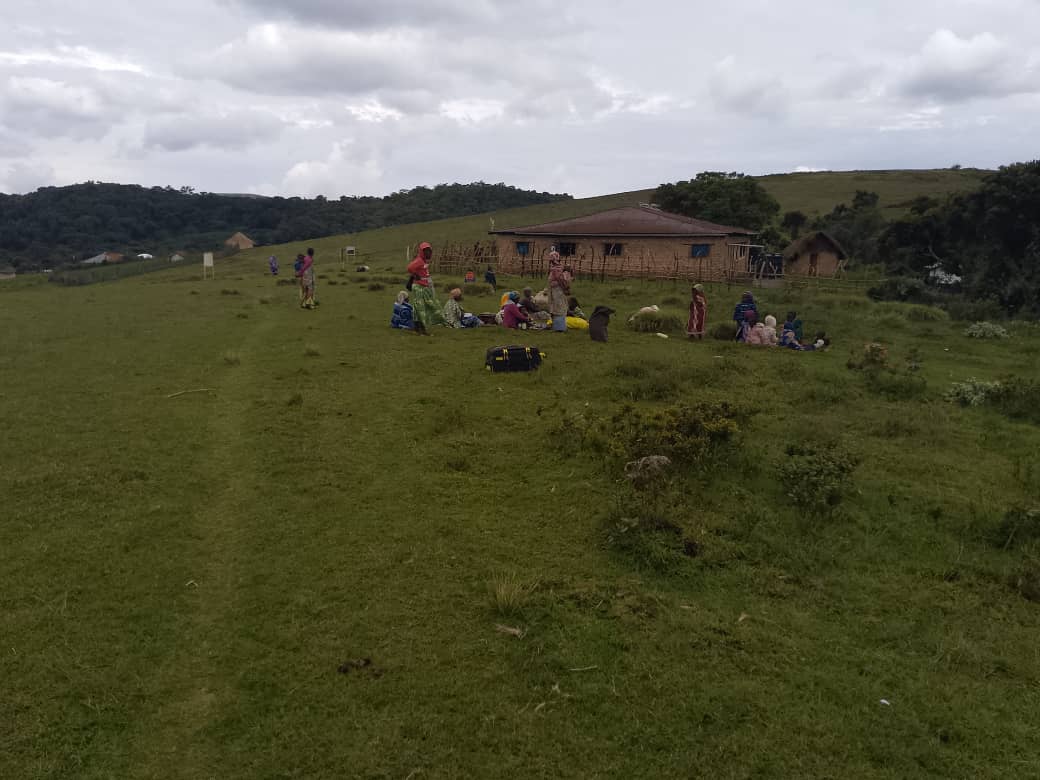
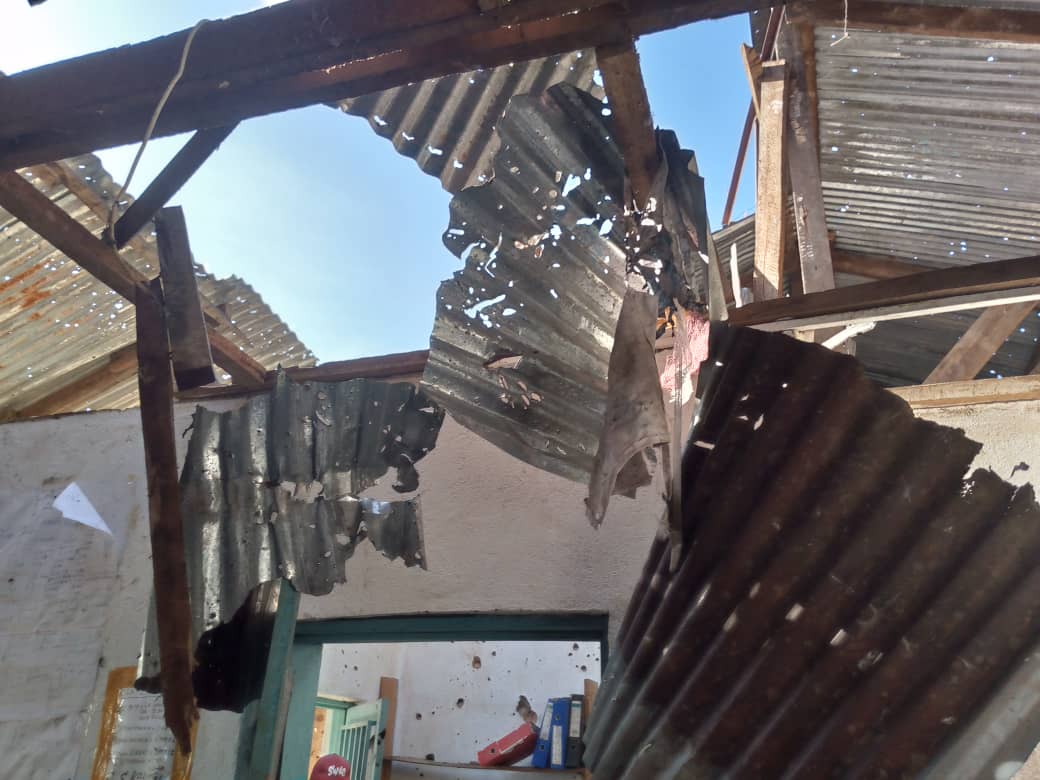
Across South Kivu, civilians continue to carry the heavy burden of insecurity and unresolved conflict. While political and security discussions continue at national and regional levels, ordinary men, women, and children remain exposed to violence, displacement, and profound psychological trauma. Reports from different parts of the province consistently highlight patterns of insecurity affecting multiple communities. These include loss of life, forced displacement, destruction of property, and violations of basic human rights. Each report represents not just a statistic, but a human story of pain, loss, and interrupted futures. In this environment, the absence of accountability deepens suffering. When violations are not properly investigated, when victims are not heard, and when justice is delayed, communities lose trust in institutions and peace becomes harder to achieve. This is why accountability is not optional—it is essential for peace. The protection of human dignity must be placed at the center of all responses to the crisis in eastern Congo. Every affected community deserves recognition, protection, and justice. Every victim deserves truth and acknowledgment. And every child deserves a future free from fear. The Pan African Faith Leaders Initiative for Peace, Justice and Human Dignity calls upon all stakeholders—including national authorities, regional institutions, and international partners—to urgently: Peace is not only the absence of war. It is the presence of justice, dignity, and trust. Without accountability, peace will remain fragile. With justice, healing becomes possible. The people of South Kivu deserve nothing less than a future where their lives are protected, their voices are heard, and their dignity is fully restored.
A Region in Fear — The Deepening Humanitarian and Social Crisis in Eastern Congo
The humanitarian situation in eastern Democratic Republic of Congo has reached alarming levels of complexity and suffering. South Kivu and North Kivu Provinces, in particular, remain regions where overlapping armed tensions, political fragility, and historical grievances have created a fragile and often unpredictable environment for Banyamulenge and Tutsi community in general. Communities continue to report cycles of violence that lead to displacement, loss of life, and destruction of livelihoods. Families who have lived for generations in the region now find themselves scattered across hills, camps, and neighboring territories, struggling to survive without adequate protection or support.Fear has become a daily reality. It is reflected in abandoned villages, silent roads, closed schools, and the absence of economic activity in once-thriving communities. The social fabric is weakening under the weight of prolonged insecurity.In such a context, mistrust of governement forces grows deeper, often fueled by lack of their proffessionalism and the Fact that they are the ones who are killing them. This makes things more difficult and increases the risk of recurring cycles of violence due to lack of government responsibilities.There is an urgent moral and political responsibility to break this cycle.Sustainable peace in South Kivu and North Kivu requires more than military responses. It requires a comprehensive approach that includes: Genuine and inclusive dialogue between communities, Strong protection mechanisms for civilians, Justice processes that address human rights violations, Investment in reconciliation and trauma healing, Active engagement of faith leaders and civil society actors. Faith leaders in particular remain a critical bridge for peace. Their influence in communities can help restore trust, reduce tensions, and guide populations away from revenge and hatred toward reconciliation and coexistence.The people of eastern Congo do not need more silence. They need a coordinated commitment to peace, dignity, and long-term stability.